


IBS

No pain / No injection

No anesthesia

No cut / No Dressing

Join Duty within 10 Mins

No Hospital Admission
What is Irritable Bowel Syndrome?
Irritable Bowel Syndrome (IBS) is a common functional gastrointestinal disorder that affects the large intestine. It causes recurrent abdominal cramping, bloating, gas, and significant changes in bowel habits without structural tissue damage.
Because IBS is a functional disorder, routine diagnostic imaging often appears structurally normal. Effective relief requires targeted dietary modifications, gut motility regulation, and stress management.
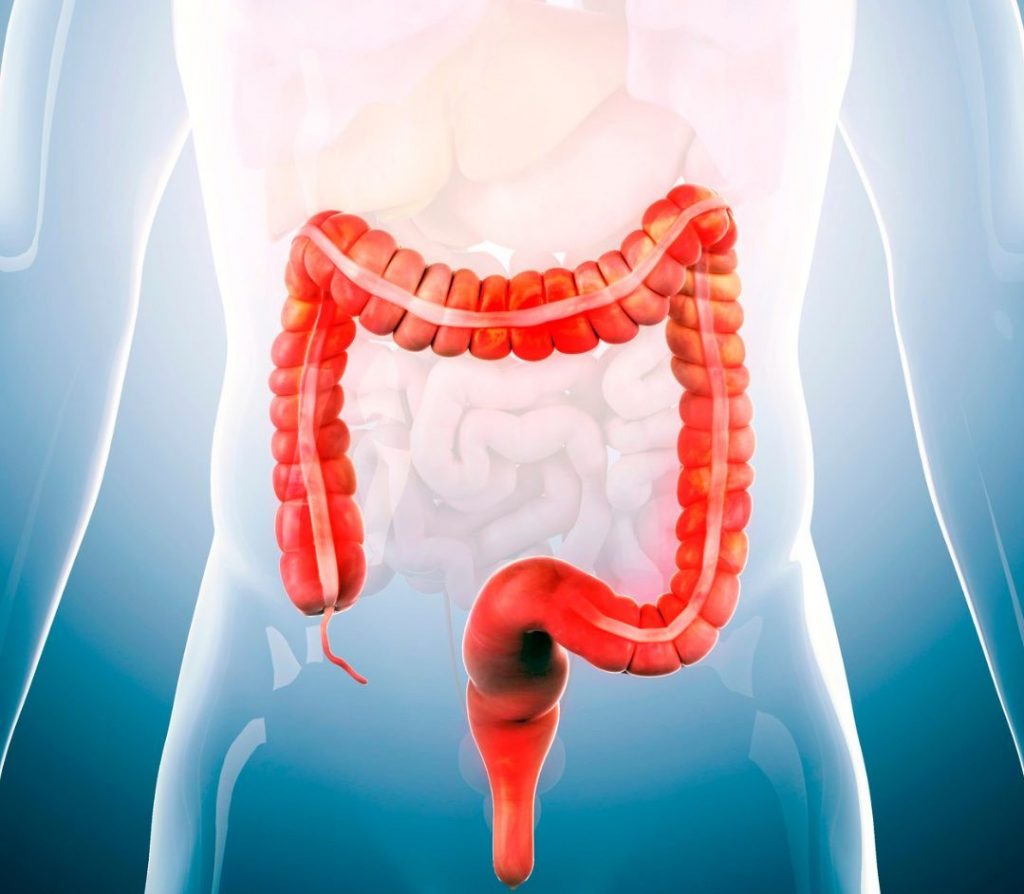
Primary Classification of IBS
IBS is categorized into distinct sub-types based on predominant stool consistency:
| Type | Full Form | Clinical Characteristics |
|---|---|---|
| IBS-C | IBS with Constipation | Hard or lumpy stools, infrequent bowel movements, abdominal strain. |
| IBS-D | IBS with Diarrhea | Frequent loose or watery stools, sudden abdominal urgency. |
| IBS-M | Mixed IBS | Alternating patterns between constipation and loose stools. |
| IBS-U | Unclassified IBS | Symptoms vary widely without fitting cleanly into C, D, or M types. |
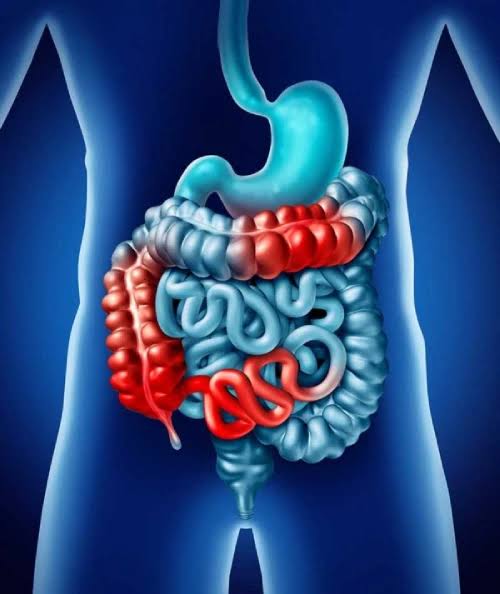
Diagnosis & Treatment Management
At Piles Hospital & Research Centre, our specialists focus on excluding underlying organic conditions and building custom symptom management plans:
- Diagnostic Evaluation: Differentiating IBS from ano-rectal conditions, inflammatory bowel disease (IBD), or celiac disease.
- Dietary Therapy: Implementation of low-FODMAP meal plans and targeted fiber supplementation.
- Pharmacotherapy: Antispasmodic medications to ease abdominal pain and gut motility regulators.
- Gut-Brain Axis Support: Lifestyle, stress management, and nervous system modulation for long-term comfort.

